The Hidden Profit Leaks Draining Your Drinks
A Practical Guide to Spotting Where Margin Disappears in Your Bar or Restaurant
If you are reading this, you likely feel that your beverage revenue looks good on the P&L, but your actual banked profit doesn't match up. You aren't alone. In the hospitality industry, "theoretical costs" rarely match "actual costs."
Based on industry analysis and menu engineering principles, we have identified three common traps where money silently exits the building.
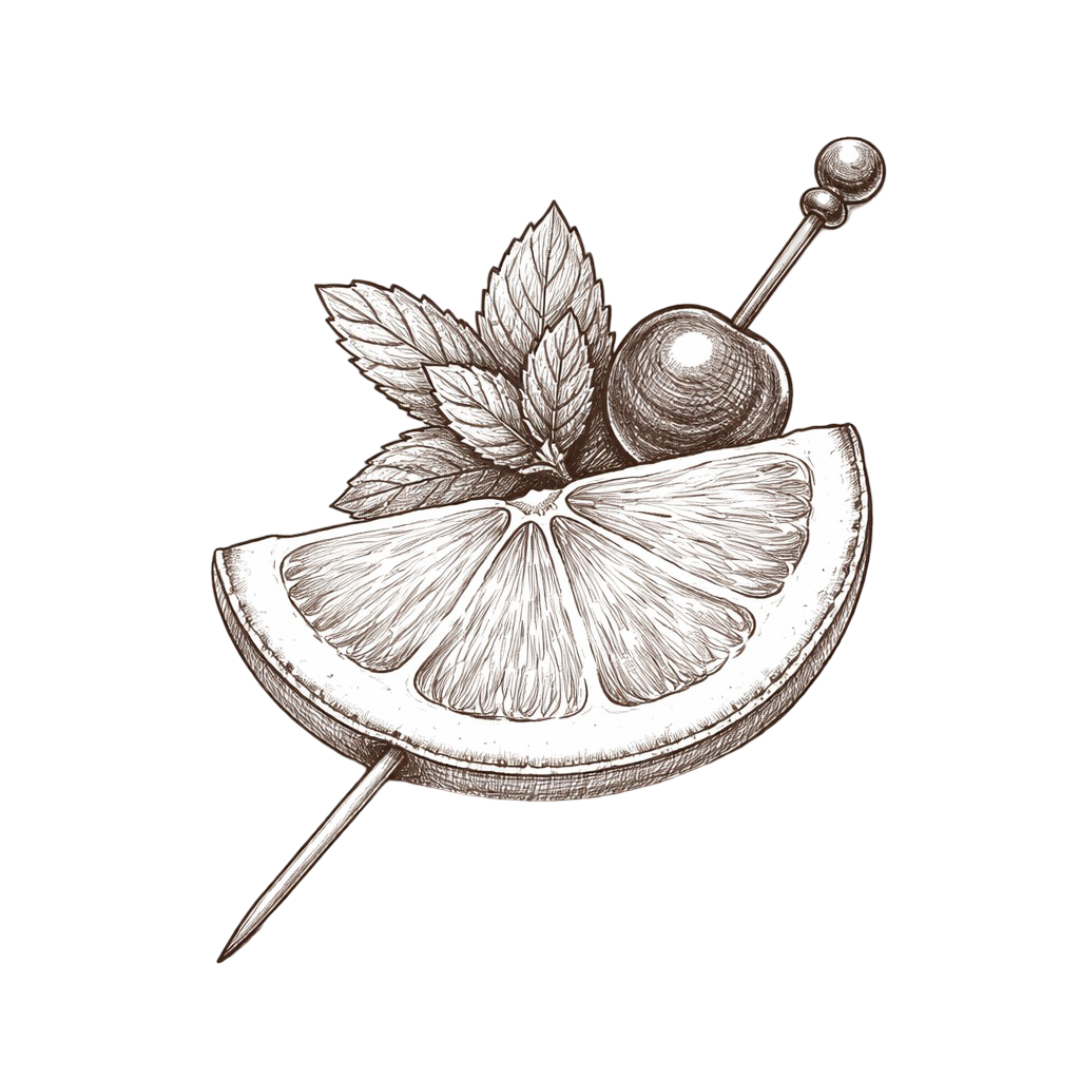
Uncalculated Garnish & Consumable Costs
Most operators calculate the cost of a drink based solely on the liquid in the glass. This is a financial error that distorts your margins.
-
You cost out 2oz of gin and 4oz of tonic but ignore the lime wheel, the specialty ice, the straw, and the napkin.
-
Standard industry costing must account for garnishes (fruit, olives, herbs) and consumables (straws, napkins). In the kitchen, this is often called "yield loss," but at the bar, it is the cost of "finishing" the drink.
-
Calculate the exact cost of every garnish and consumable used per drink. Add this fixed cent-value to the total ingredient cost (spirit + mixers + garnish + ice) for every recipe to determine your true break-even point
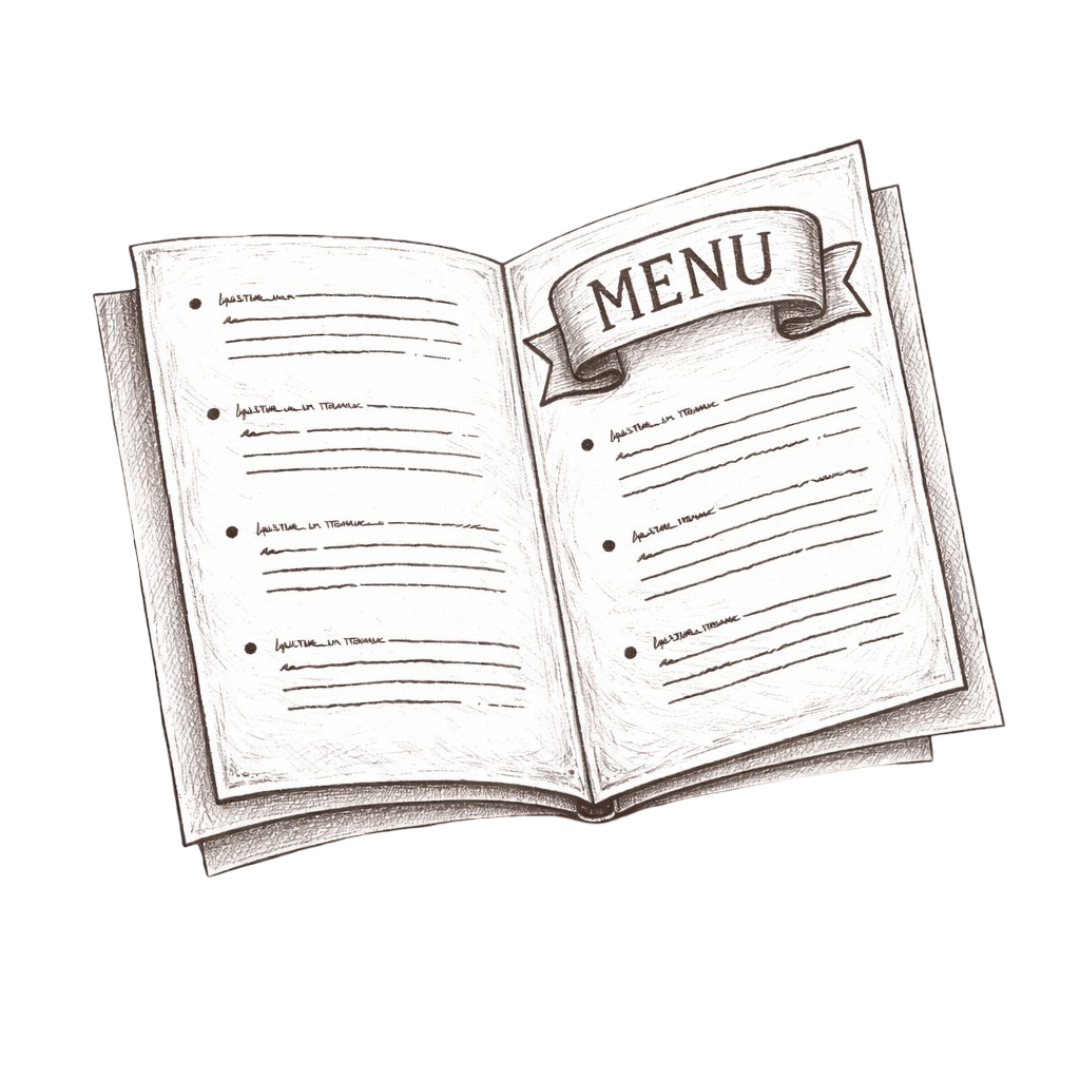
Price Formatting & Visual Hierarchy
How you write the price is often just as important as what the price is.
-
Listing prices in a straight column on the right side of the menu or using dollar signs ($).
-
A straight column encourages guests to "price shop" (scan for the lowest number). Furthermore, using a currency symbol reminds guests of the "pain of paying." Removing the dollar sign can subconsciously encourage guests to spend more.
-
Tuck the price at the end of the description using the same font size. Use whole numbers (e.g., 14) or decimals without the currency symbol to soften the psychological impact

The "Cost-Plus" Pricing Pitfall
Many owners simply multiply their ingredient cost by a set number (e.g., Cost x 4) to set a price. This leaves money on the table.
-
Believing that a low ingredient cost dictates a low selling price.
-
Guests pay for perceived value, not just liquid. A complex cocktail with a unique presentation (e.g., smoked glass, custom ice) has a high perceived value regardless of the liquor cost.
-
Use Value-Based Pricing. If a cocktail features high craftsmanship or "visual gold," price it based on the experience and market demand, not just a multiple of the liquor cost
Stop Guessing.
Your menu is your primary sales tool. If it isn't engineered to guide guest behavior and protect your margins, you are working harder than you need to.
I help owners and directors identify these specific leaks and re-engineer their menus for maximum profitability.
Ready to close the leaks?
Schedule a 30 minute FREE discovery call. We will review your current menu and identify 2–3 immediate opportunities for improvement.